
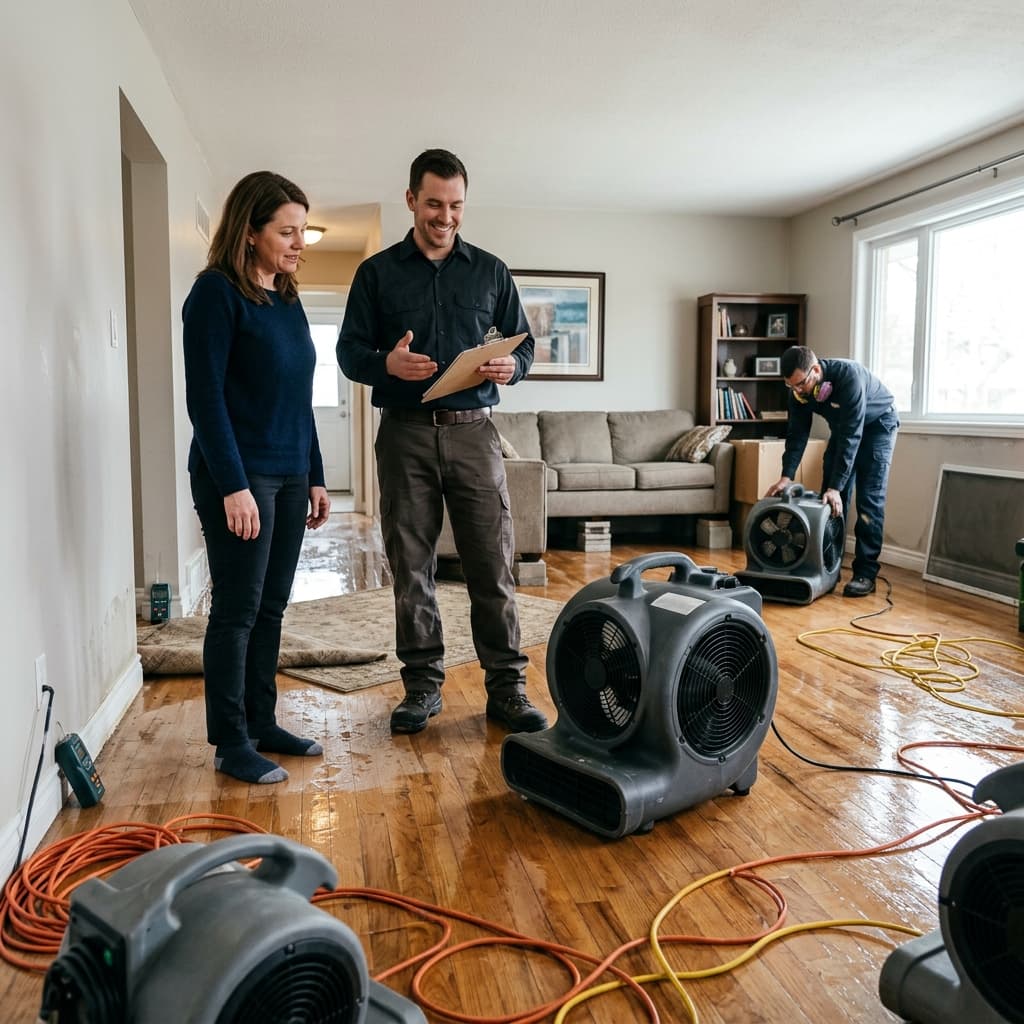
A sump pump is an active mechanical device that operates under harsh conditions. Sump pits gather dirt, sand, gravel, and other debris that can impair the mechanical components of the pump. During heavy rains in Northern Virginia, a single failed sump pump can lead to tens of thousands of dollars in finished basement water damage. Regular education and maintenance are crucial.
The Top Causes of Sump Pump Failures
- Power Outages: High winds and severe thunderstorms frequently down electrical lines. If your home loses power, your sump pump will stop working immediately.
- Switch Problems: The mechanical float switch can get stuck against the wall of the sump pit, preventing the pump from turning on or off.
- Overwhelmed Pump: Cheap or low-horsepower pumps cannot keep up with the massive volume of water entering the pit during extreme rain.
- Frozen or Clogged Discharge Line: If the pipe carrying water away from your home is blocked by debris or ice, water will flow backward into your basement.
Quarterly Sump Pump Maintenance Checklist
- Check the Electrical Connection: Ensure the pump is plugged into a functional GFI outlet. Look for worn cord insulation.
- Inspect the Float Switch: Gently pull the float upward to ensure it moves freely and turns the pump motor on, then releases cleanly.
- Clean the Sump Pit: Unplug the unit, remove the lid, and scoop out any accumulated silt, pebbles, or debris that could clog the pump's intake screen.
- Pour a Bucket of Water: Pour about 5 gallons of water into the pit to simulate a storm and watch the pump complete a full cycle.
- Test the Discharge Pipe: Walk outside to the exit point of your discharge line. Ensure water flows out freely and is not pooling near your home's foundation.
The Battery Backup Recommendation
We highly recommend that every homeowner in the DMV area install a battery backup sump pump. This secondary system sits slightly higher in the pit. If your main pump fails, or if your home loses power, the battery backup will automatically take over, running off deep-cycle marine batteries for up to 24 to 48 hours to keep your basement dry.