
IICRC Standards: Why Restoration Training and Documentation Matter
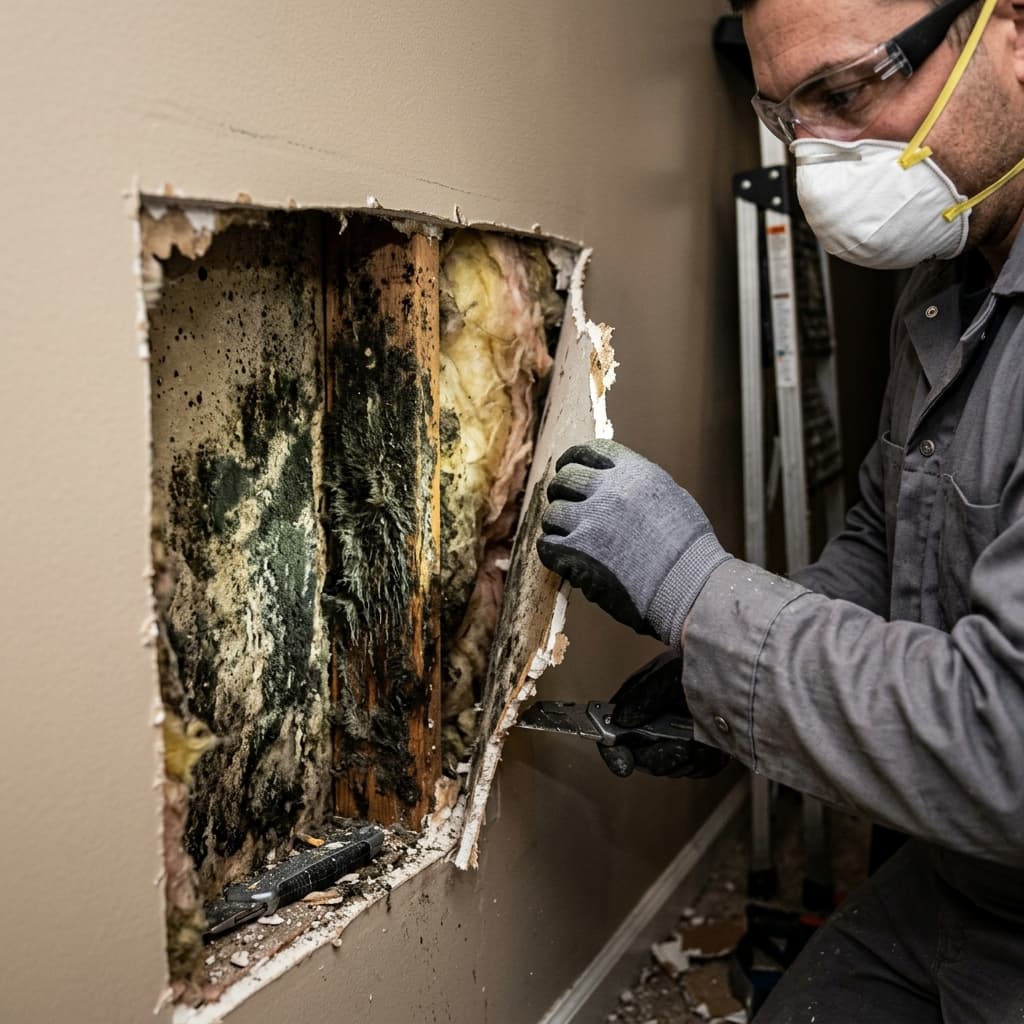
Property damage restoration is a highly specialized science. Drying a flooded drywall partition, remediating mold, or recovering from structural smoke damage requires documented protocols and careful field measurements. One widely referenced standards body is the Institute of Inspection, Cleaning and Restoration Certification (IICRC), which publishes restoration standards used across the industry.
What is the IICRC?
The IICRC is a non-profit organization that establishes and monitors global standards for the inspection, cleaning, and restoration industries. It works closely with the American National Standards Institute (ANSI) to compile peer-reviewed, scientifically validated reference manuals. Its standards help define training, documentation, and field procedures for restoration work.
The Standard Guidelines That Govern Restoration
A standards-based restoration plan should not guess how to dry a wall or clean soot. It should use documented procedures, moisture readings, and job-specific conditions:
- ANSI/IICRC S500 (Standard for Professional Water Damage Restoration): This is the holy grail of water restoration. It establishes strict rules for water extraction, classifying water sources (Category 1, 2, or 3), defining classes of water intrusion, and calculating the exact number of air movers and commercial dehumidifiers required to dry different building materials.
- ANSI/IICRC S520 (Standard for Professional Mold Remediation): This manual establishes guidelines for containment chambers, negative air pressure filtration, structural cleaning, and post-remediation clearance testing. The goal is to isolate and remove mold without spreading it through the property.
Why Standards-Based Restoration Matters
- Protects Health & Safety: Improper mold or sewage cleanup can leave pathogens or spores active behind your walls, putting your family or tenants at risk. Professional remediation relies on appropriate sanitizers, containment, and commercial-grade HEPA filtration.
- Insurance Claim Documentation: Detailed moisture logs, thermal mapping, photos, and dry-standard notes help adjusters understand what happened and what mitigation steps were taken.
- Professional Drying Equipment: Restoration teams may use modern commercial equipment, including high-lift extraction pumps, desiccant dehumidifiers, LGR dehumidifiers, HEPA air scrubbers, and infrared cameras to locate hidden moisture.