
Winter Frozen Pipe Prevention Checklist for DMV Homeowners
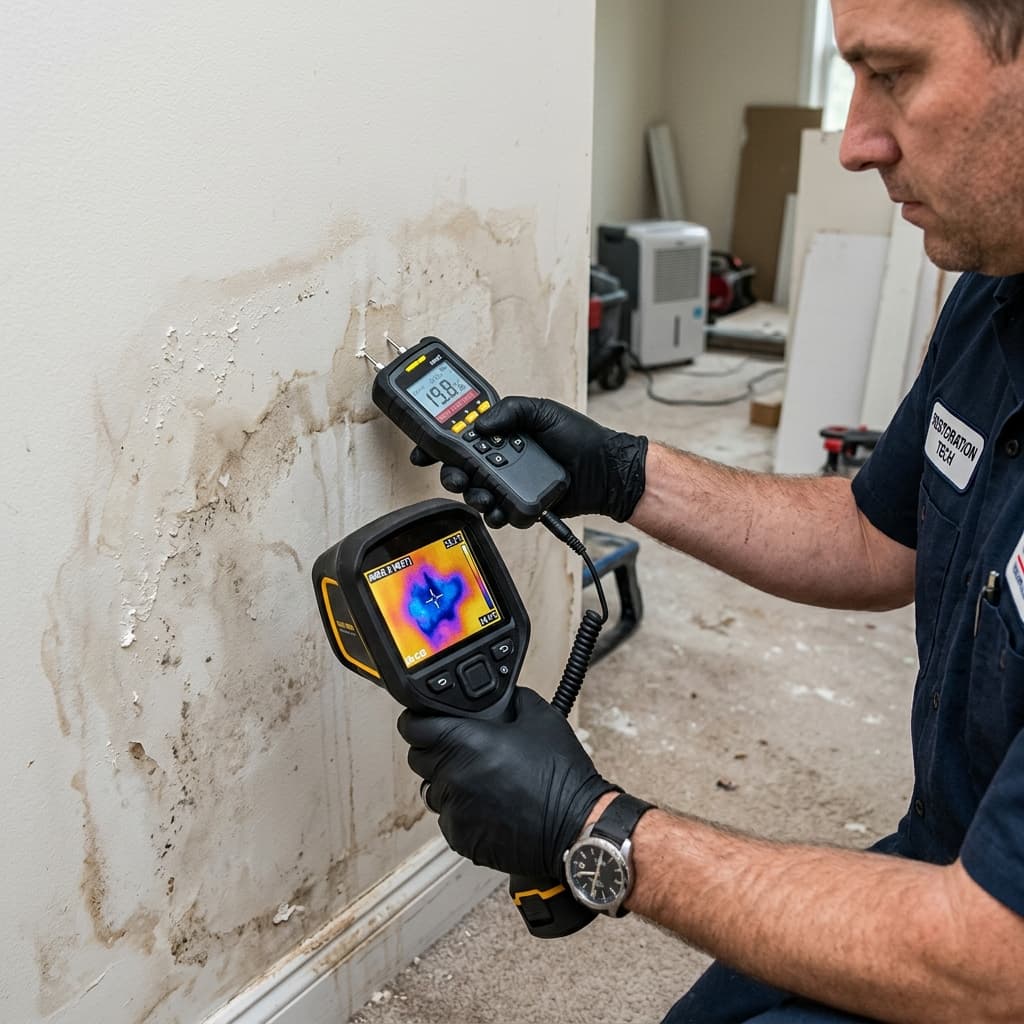
Winters in the DMV region regularly drop into the teens, and overnight cold snaps in January and February cause some of the year's worst water damage emergencies. When water inside a pipe freezes, it expands roughly 9% — enough pressure to split copper or PEX. The pipe often does not burst on the coldest night; it bursts on the thaw, when the ice plug melts and pressurized water finds the crack. By then the homeowner is usually asleep or away, and 8–10 gallons per minute can pour into the home unnoticed.
Why pipes freeze in DMV homes
The most common failure points are pipes in unheated spaces: garages, crawl spaces, attics, exterior walls, and along uninsulated rim joists. Pipes serving outdoor hose bibs, kitchen sinks on exterior walls, and second-floor bathrooms over unheated garages are repeat offenders. Older homes built before modern insulation standards — much of the pre-1980 construction in Loudoun, Fairfax, Arlington, and DC — are at higher risk.
Pre-winter prevention checklist
- Disconnect outdoor hoses. A connected hose traps water in the spigot pipe even with the valve closed. Disconnect and store hoses, and shut off interior valves to outdoor spigots if your home has them.
- Insulate exposed pipes. Foam pipe sleeves cost a few dollars each and install in seconds. Wrap any pipe in a garage, crawl space, attic, or exterior wall. For higher-risk lines, use thermostatically controlled heat tape.
- Seal air leaks around pipes. Cold drafts kill pipes faster than ambient temperature. Caulk around dryer vents, rim joists, basement windows, and any penetration where cold air enters near plumbing.
- Open cabinet doors under exterior-wall sinks. On the coldest nights, letting indoor heat reach the pipes under kitchen and bathroom sinks against outside walls can prevent a freeze.
- Drip cold taps overnight on extreme nights. A slow drip from the fixture farthest from your main keeps water moving and prevents pressure buildup behind an ice plug. The water-bill cost is far less than a single burst pipe.
- Set the thermostat to at least 55°F when away. Going on a winter vacation? Do not turn the heat off. Set it to 55°F or higher, and have a neighbor check the home daily.
What to do if a pipe freezes
If you turn on a faucet and only a trickle comes out on a cold morning, you likely have a frozen pipe somewhere in that line. Act fast — the pipe may not have burst yet. Open the faucet to give the thawing water somewhere to go, locate the frozen section by feeling along the pipe for the coldest spot, and apply gentle heat with a hair dryer or heating pad. Never use an open flame, blowtorch, or kerosene heater on a pipe. If you cannot find the frozen section, or if you see a wet spot on drywall, ceiling, or floor, shut off the main water supply immediately and call a plumber.
If a pipe has already burst
Shut off the main water supply, switch off electricity to any wet areas, and call a water restoration team. The first 24 hours after a burst pipe determine whether you face a clean dry-out or a full reconstruction. Fast extraction and structural drying limit damage to flooring, drywall, and framing — and prevent mold from taking hold in wet cavities.