
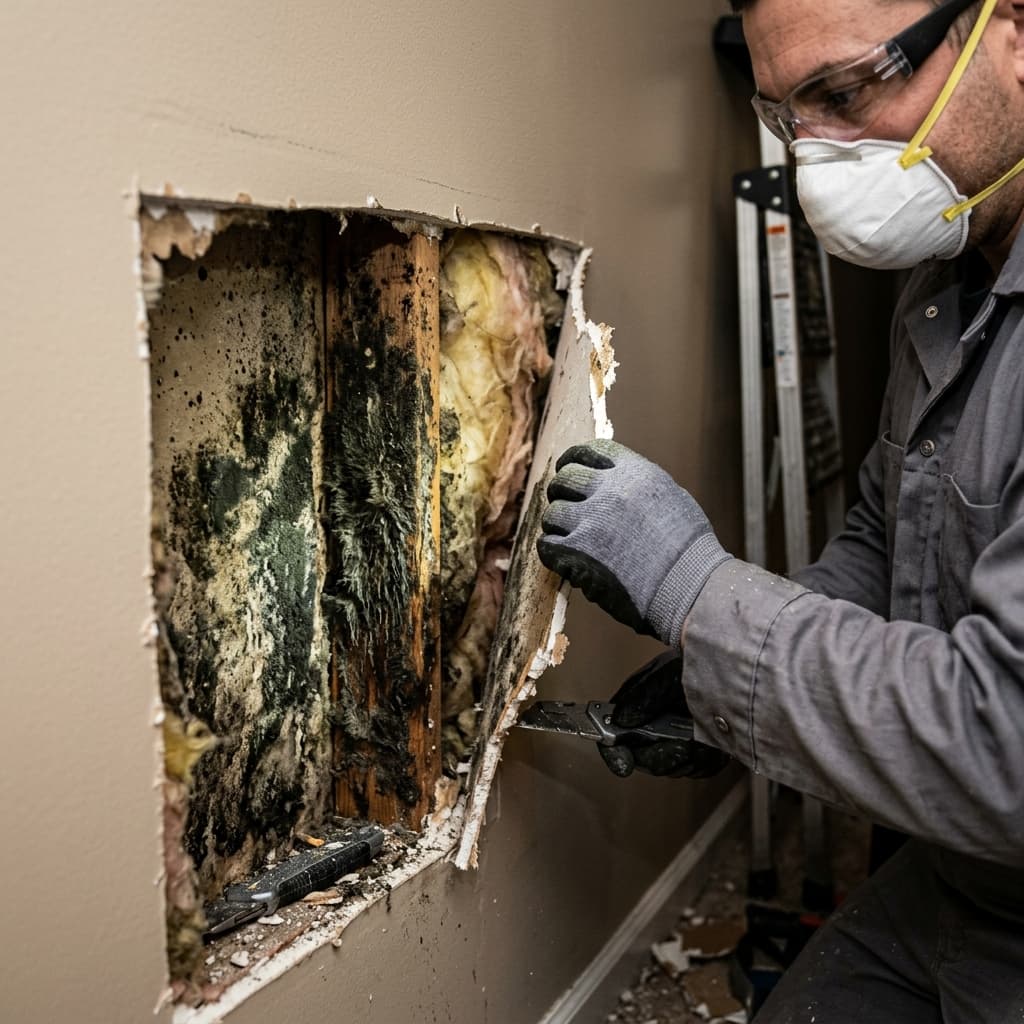
When property damage strikes, many homeowners pick the first restoration company that answers the phone. That is understandable: water may be spreading, smoke may be present, and you want help. But the company you choose will write the documentation your insurance adjuster sees, make demolition recommendations, and follow the protocols that shape drying, cleanup, and repair planning. A short vetting checklist can reduce avoidable headaches.
Verify credentials before they show up
- Training and standards. Ask what restoration standards, training, and documentation practices the technicians and company use.
- State contractor license. Virginia, DC, and Maryland each have contractor licensing rules for certain scopes. Verify any license number on the state's online database, not just on the company's website.
- Insurance documentation. Ask for current insurance documentation such as a certificate of insurance (COI), and confirm what applies to the scope being performed.
- Local business presence. A real address, a real phone number, and documented operating history can help reduce risk from storm-chaser companies that appear after major weather events.
Questions to ask on the first call
- How do you handle active intake? Ask how the company confirms availability, documents the loss, and explains response timing before you authorize work.
- What documentation will I get? The right answer includes moisture readings, photo logs, scope notes, and daily drying logs — the kind of paperwork adjusters commonly review.
- Can you help me document the claim? Ask how the company documents damage, moisture readings, photos, scope notes, and carrier communication so your insurer has a clear restoration file.
- Can you walk me through your remediation protocol? A trained technician should be able to explain containment, HEPA filtration, antimicrobial treatment, and closeout documentation. Vague answers are a red flag.
Red flags to walk away from
- Pressure to sign an "assignment of benefits" before review. AOB documents can affect who controls parts of the claim process. Read carefully and ask your carrier or a licensed adviser before signing anything that gives a contractor authority to communicate or act on your behalf.
- Cash-only pricing with no written estimate. Restoration is not a corner-store transaction. Every scope item should be written, priced, and signed.
- Promises that a major repair will be free or that deductible costs disappear. Deductible-related offers can affect claim review and payment responsibilities. Ask your carrier or a licensed insurance professional before relying on any deductible-related offer.
- No moisture meter, no documentation process. If a crew cannot show how it measures, documents, and tracks drying progress, ask more questions before authorizing work.
Before signing the contract
Ask for a written scope of work, the daily and weekly rates for equipment, an itemized list of any demolition the team plans to perform, and the company's process for documenting dry-standard targets before reconstruction begins. A clear restoration company should be able to explain these items because they make the restoration file and homeowner relationship easier to understand.