
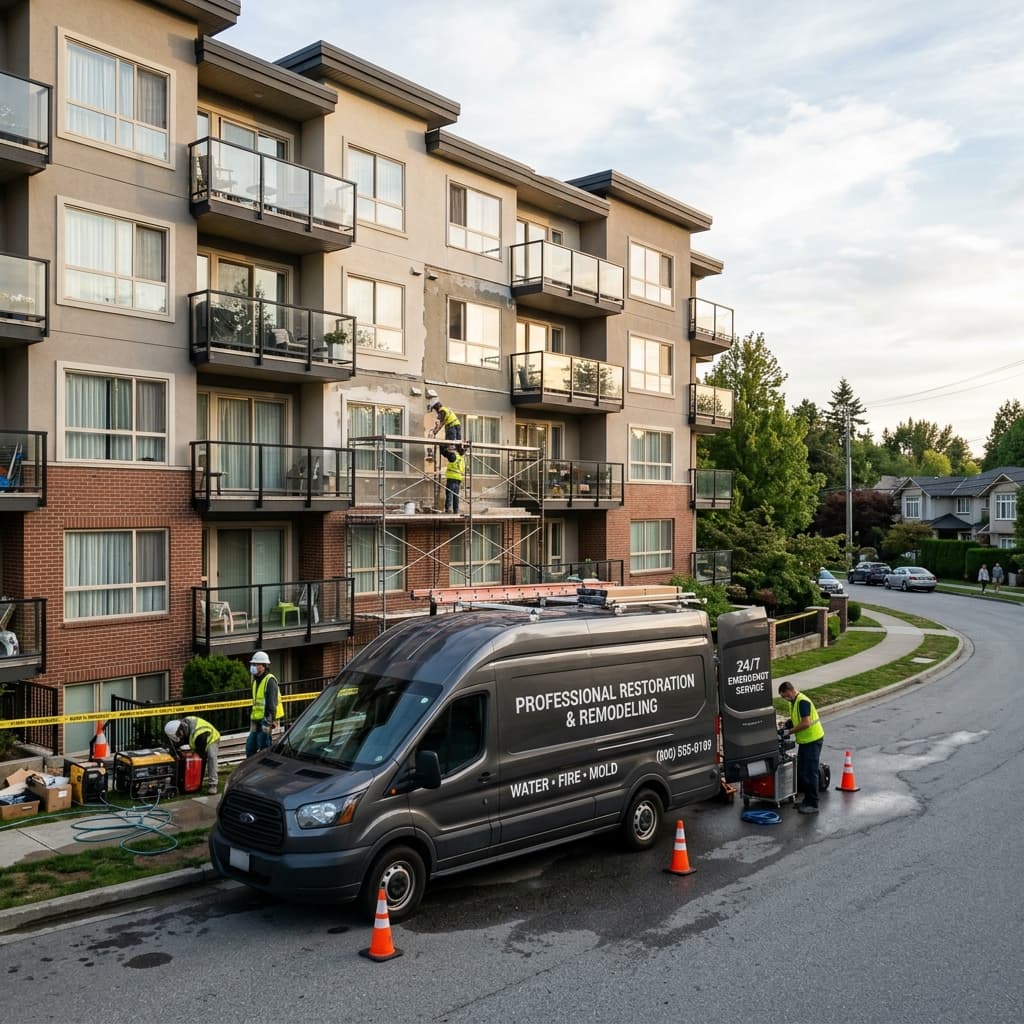
The Mid-Atlantic region, covering Northern Virginia, Washington DC, and Maryland, is known for heavy summer humidity. While outdoor humidity is out of our hands, keeping indoor relative humidity (RH) in a reasonable range can reduce moisture issues. Elevated humidity can contribute to wood movement, paint problems, condensation, and mold-friendly conditions.
The Ideal Indoor Humidity Range
According to the EPA, property owners should maintain indoor relative humidity between 30% and 50%. When RH exceeds 60%, conditions are optimal for mold spores to germinate and dust mites to thrive. When RH drops below 30%, dry air can cause dry skin, respiratory discomfort, and shrink wood flooring, leaving ugly gaps.
Problems Caused by Excess Humidity
- Mold Growth: Elevated moisture for 24-48 hours can create conditions where mold may begin to grow. Air conditioners cool the air but do not always extract enough moisture on very humid days.
- Structural Movement: Hardwood floorboards can absorb airborne moisture, contributing to cupping (edges bend up), crowning (middle sections swell upward), or other movement.
- Condensation: Humid indoor air contacting cold window panes or metal pipes can condense into water droplets, creating localized moisture concerns around trim, framing, and finishes.
Homeowner Strategies to Lower Indoor Humidity
- Use Your Air Conditioner: Air conditioners act as natural dehumidifiers. Ensure your system's filters are changed monthly and the condensate drain line is clear.
- Install Whole-Home Dehumidifiers: If your HVAC system alone cannot keep RH below target levels during hot DMV summers, a whole-home dehumidifier integrated into your HVAC ductwork can help pull moisture from the air and stabilize conditions.
- Utilize Exhaust Fans: Always run bathroom exhaust fans during showers and kitchen exhaust fans while cooking. Leave them running for 20 minutes after you finish to clear moist air.
- Keep Crawl Spaces Clean: If your home has a crawl space, lay down a thick 6-mil plastic vapor barrier to prevent damp ground moisture from evaporating upward into your home's structure.