
How to Read Your Insurance Adjuster's Estimate: A Line-By-Line Guide
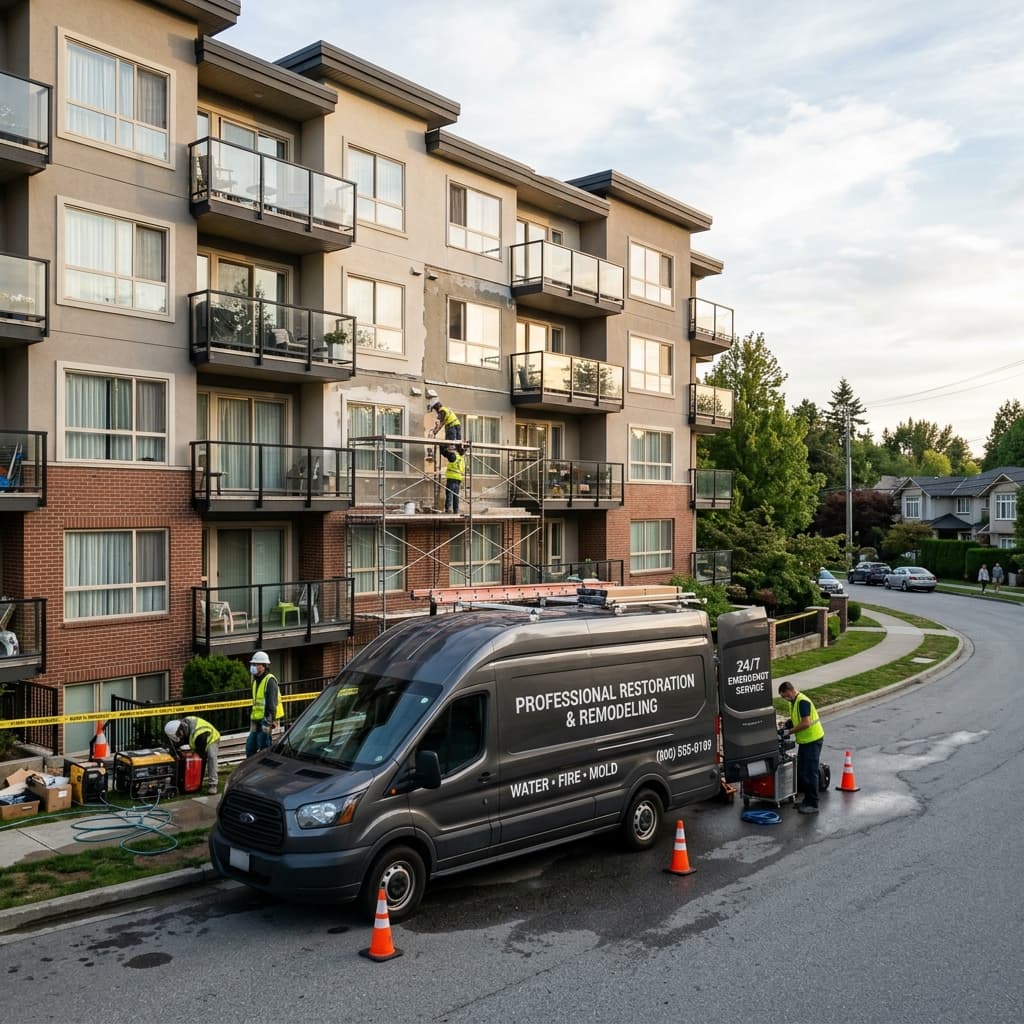
If you have ever opened an insurance adjuster's restoration estimate and felt overwhelmed by line codes, abbreviated room names, and prices that seem disconnected from the work you are seeing, you are not alone. Many homeowners approve estimates without fully understanding what they cover. A careful review can reveal missing rooms, missing materials, or pricing questions before the repair scope moves forward.
What you are looking at: Xactimate vs. Symbility
Many adjuster estimates in the DMV are written in pricing programs such as Xactimate or Symbility. These systems use abbreviated line codes for materials, labor, equipment, and service tasks. The codes can look intimidating, but each one should map to a specific scope item. Your restoration contractor can help you understand unfamiliar line items.
The structure of a typical estimate
Estimates follow a predictable format. The cover page has the claim summary (total amount, your deductible, depreciation withheld). The room-by-room sections list each affected space with line items for every material and labor task. The schedule of items at the end summarizes equipment days, sales tax, and any contractor markups. RCV (Replacement Cost Value) is what it costs to replace today; ACV (Actual Cash Value) deducts depreciation. Payment timing and depreciation release depend on the policy, carrier review, and completion documentation.
The seven-step review process
- Find the summary page and confirm the basics. Locate the cover page and verify claim number, date of loss, policy number, your deductible, recoverable depreciation (RCV minus ACV), and total claim amount before and after deductible. If anything is wrong here, stop and call the adjuster — every line item below builds on these numbers.
- Identify the loss-room breakdown. Estimates are organized by room. Skim the room list against the rooms with actual damage. If any room with visible damage is missing, flag it for review. Missing rooms are a common adjuster oversight, especially when the damage is subtle in photos.
- Check each line item against actual damage. Per room, walk through with the estimate and verify each measurement. The estimate says "drywall replace 24 LF" — is the affected drywall actually 24 linear feet, or closer to 40? Quantity differences are easier to review when they are documented with photos and tape-measure evidence.
- Look for missing demolition and mitigation. Many restoration jobs include documentation-sensitive items such as demolition labor for wet materials, debris removal, dump fees, equipment days, and antimicrobial treatment. If relevant items are not in the estimate, flag them for contractor documentation and adjuster review.
- Verify materials pricing against current contractor rates. Pricing databases update on a schedule and may not always match current local contractor costs. Cabinets, hardwood flooring, LVP, paint, and labor can vary significantly by market and finish level. Ask your restoration contractor to flag line items that appear below current local cost so they can be documented for carrier review.
- Check for code-required items. When a permit is pulled for the restoration work, current building code may affect the repair scope. Common items to review include GFCI outlets in bathrooms and kitchens, AFCI breakers, insulation requirements, smoke detectors, and CO detectors. Your contractor can identify which items apply to your job and document them for review.
- Build your supplement list and submit through the contractor. Compile everything you flagged into a written supplement request: missing scope items with photos, low-priced materials with current contractor pricing, code upgrades with code citations, and any hidden damage exposed during demolition. Submitting through your restoration contractor can help organize the package for adjuster review.
Common red flags in adjuster estimates
- "Like kind and quality" with a generic finish spec. If you had custom oak hardwood and the estimate says "wood flooring, builder grade," ask how the material match was determined and provide photos or original receipts when available.
- No equipment days listed. Drying a wet structure often uses air movers and dehumidifiers for multiple days. If equipment days are zero, ask whether drying equipment was intentionally excluded or should be documented.
- Pack-out and content cleaning missing. When demolition is heavy, contents may need to be packed out, stored, cleaned, and returned. Ask whether the scope should include content handling based on the actual job conditions.
- No general contractor overhead and profit (O&P). When multiple trades are required, ask your carrier, adjuster, or licensed adviser how O&P is evaluated under your policy and restoration review record.
When to call in outside help
For straightforward losses with small scope questions, working through your restoration contractor's documentation package may be enough. For larger losses, supplement questions, or unresolved claim concerns, ask your carrier about review options and consider consulting a licensed public adjuster or attorney in your state. Prime Solutions LLC can provide restoration documentation, but coverage advocacy and legal advice should come from properly licensed professionals.
One last principle: documentation beats argument
Adjusters and supervisors review supplements based on documentation. Every supplement request should include photos of the affected area, measurements with a tape in frame, current contractor pricing with the source, and a clear written explanation of why the original estimate may have fallen short. Documentation makes the review easier than phone calls alone.