Step 1: protect people before property
Do not enter standing water near outlets, electrical panels, appliances, or extension cords. Keep children and pets away from wet rooms. If the water may be contaminated by sewage, drain backup, or outside flooding, avoid contact and wait for professional cleanup guidance. Shut off the water source only if it is safe to reach.
Step 2: document the water before extraction
Take photos and short videos of the source, water level, affected rooms, flooring, baseboards, walls, ceilings, contents, and any visible material damage. Save failed parts such as burst hoses or supply lines when safe. Good documentation helps connect the water removal work to the later repair scope.
Step 3: extract, dry, and verify
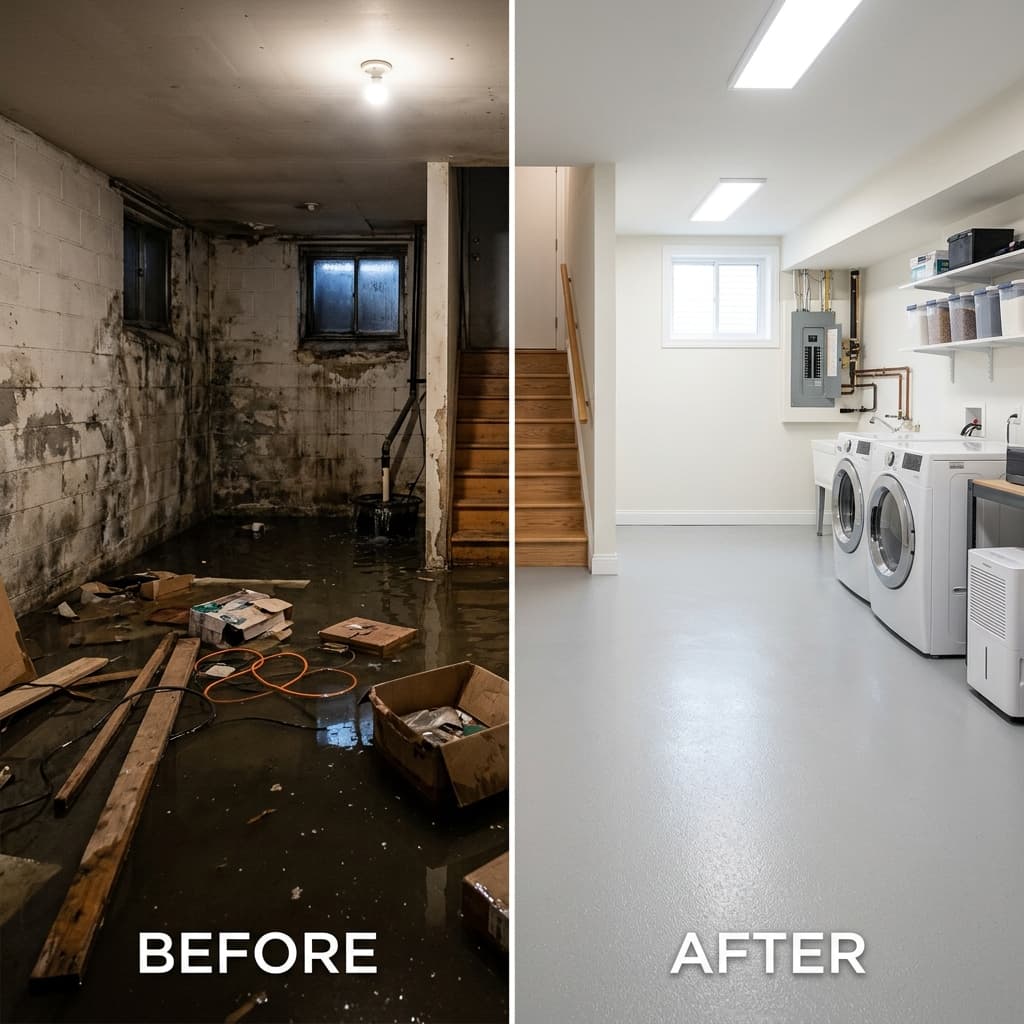
Water removal starts with bulk extraction, but the job is not done when the floor looks dry. Wet carpet pad, subfloor, drywall, insulation, and wall cavities can hold moisture. A documented response includes drying equipment, dehumidification, moisture checks, and notes showing which areas were affected.
Step 4: plan repairs after stabilization
Once the property is stable, review what materials need repair or replacement. Drywall cuts, swollen trim, damaged flooring, cabinet exposure, ceiling staining, and insulation removal can all become part of the repair estimate. Keep mitigation notes and repair photos together so the project history stays clear.
Related Guides
Need help with property damage?
Prime Solutions LLC reviews active water, fire, mold, and cleanup requests across Northern Virginia, DC, and Maryland.
+1 (571) 655-7207