
Why the first adjuster estimate is almost always low
Adjusters work fast and write the scope from photos and a single walkthrough. They do not see what is behind drywall, under flooring, or inside wall cavities until demolition exposes it. They also work from regional pricing databases (Xactimate, Symbility) that often lag actual contractor pricing by 6-18 months in fast-moving markets like the DMV. The result: a first-pass estimate that covers the visible damage and skips the hidden scope, materials at outdated pricing, and labor for items that show up only after work starts. Supplements close that gap — they are not adversarial, they are the system working as designed.
What triggers a legitimate supplement
Five common triggers in restoration jobs. First, hidden damage exposed during demo (wet insulation, mold inside wall cavities, rotted subfloor under sound carpet). Second, materials priced below current contractor cost (cabinets, flooring, and trim have all jumped 20-40% since 2021). Third, code-required upgrades (GFCI outlets, AFCI breakers, modern insulation, hurricane straps) that were not in the original estimate. Fourth, scope items missed entirely on the first walkthrough (HVAC duct cleaning after smoke, content pack-out, dump fees). Fifth, drying time longer than estimated, which means more equipment days billable to the carrier.
How to document a supplement so the carrier approves it
Supplements approved on paper are won or lost in the documentation. The restoration company should provide: dated photos of the newly discovered damage before remediation, moisture readings or material-condition notes that prove the hidden damage existed, a written scope addendum that ties each new line item to a specific cause ("removed cabinets revealed wet drywall to 24 inches above floor — see photo 47"), and current contractor pricing for the affected materials. The supplement gets submitted to the adjuster with these attachments. Verbal supplement requests almost always get denied; written supplements with photos rarely do.
When the carrier pushes back: appraisal and your options
If the adjuster denies a supplement or comes back with a lowball counter, homeowners have several paths. First, request a re-inspection — many disputes get resolved when a senior adjuster sees the work in person. Second, invoke the appraisal clause in your policy (almost every homeowner policy has one). Appraisal is a non-litigation dispute resolution where each side appoints an appraiser, the two appraisers select an umpire, and the panel binds the carrier to a settlement. Third, hire a public adjuster — they work for you, take a percentage of the settlement increase, and know carrier negotiation tactics. Fourth, file a complaint with the Virginia/DC/Maryland insurance commissioner if the carrier is acting in bad faith. Fifth, retain an attorney for serious bad-faith claims, though this is a last resort.
How a restoration company supports the supplement process
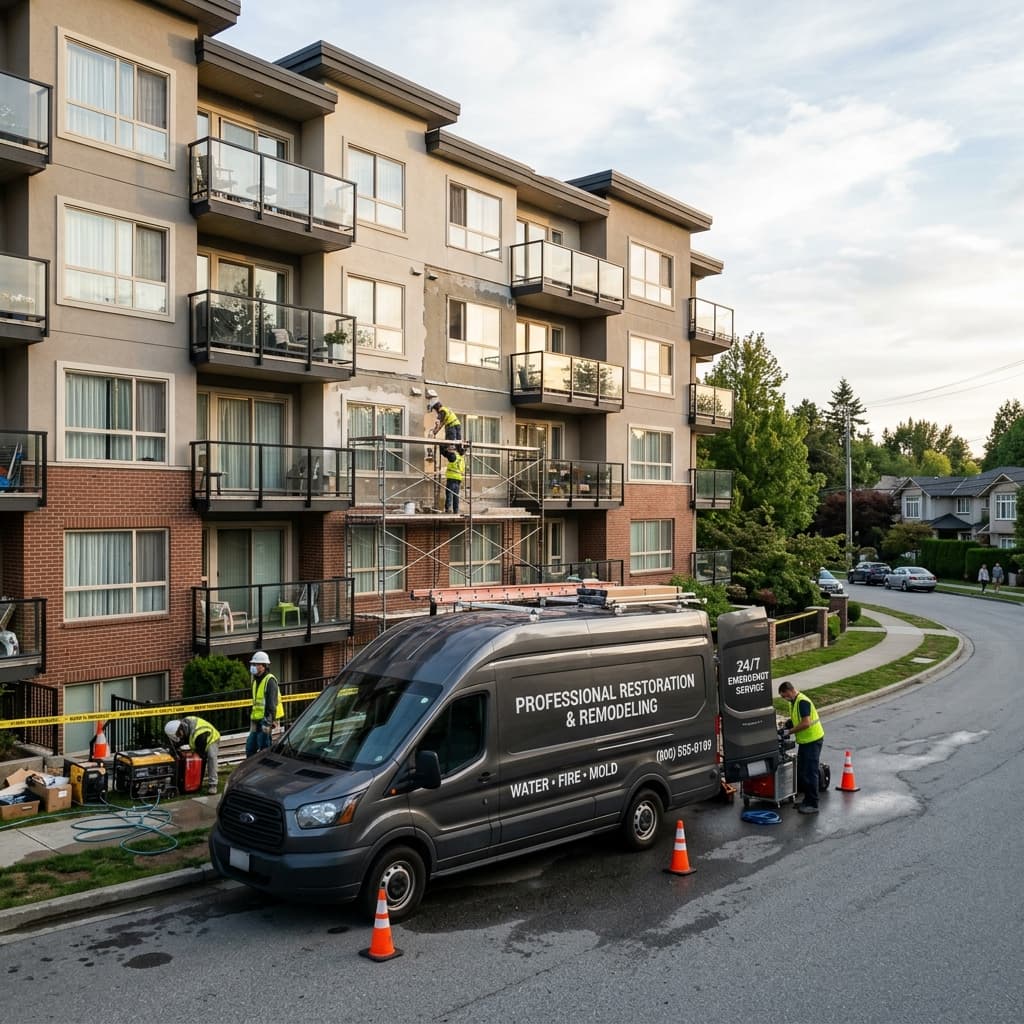
PSR provides adjuster-ready documentation throughout the job — initial scope photos, moisture readings, drying logs, demolition photos showing hidden damage, supplement line-item write-ups, and final completion photos with measurements. We do not negotiate on the homeowner's behalf (the policy is between you and the carrier), but we hand the homeowner and their adjuster the evidence package that supports a fair settlement. Most supplements we submit get approved within 7-14 days. When a carrier pushes back unfairly, we provide the documentation the homeowner needs to pursue appraisal, public adjuster review, or insurance commissioner complaint.
Related Guides
Need help with property damage now?
Prime Solution Restoration is available 24/7 for emergency water, fire, mold, and cleanup calls across Northern Virginia, DC, and Maryland.
+1 (571) 655-7207