
Why hidden framing is vulnerable to moisture
Joists, subfloors, sill plates, crawl-space framing, and wall cavities can stay damp after a leak, flood, or long-term humidity problem. When water is trapped inside building assemblies, it can contribute to fungi, mold, and wood-destroying rot. If not addressed, moisture can degrade wood fibers and create structural concerns.
Early warning signs of structural wood rot
To reduce the risk of costly structural repair, homeowners should watch for musty odors, dark staining, soft or spongy wood, floor cupping, sagging, wet insulation, recurring crawl-space humidity, and visible growth after a water loss. Pay close attention around plumbing runs, HVAC condensate lines, foundation walls, sump pits, and areas where water previously entered the home.
Preventative maintenance that protects framing
Prevention starts with water control. Keep gutters and downspouts moving water away from the foundation, test sump pumps, maintain HVAC condensate drains, repair plumbing leaks quickly, and keep crawl spaces dry with proper vapor barriers and dehumidification when needed. A small leak addressed early is far less expensive than framing repair after months of hidden moisture.
The restoration planning process
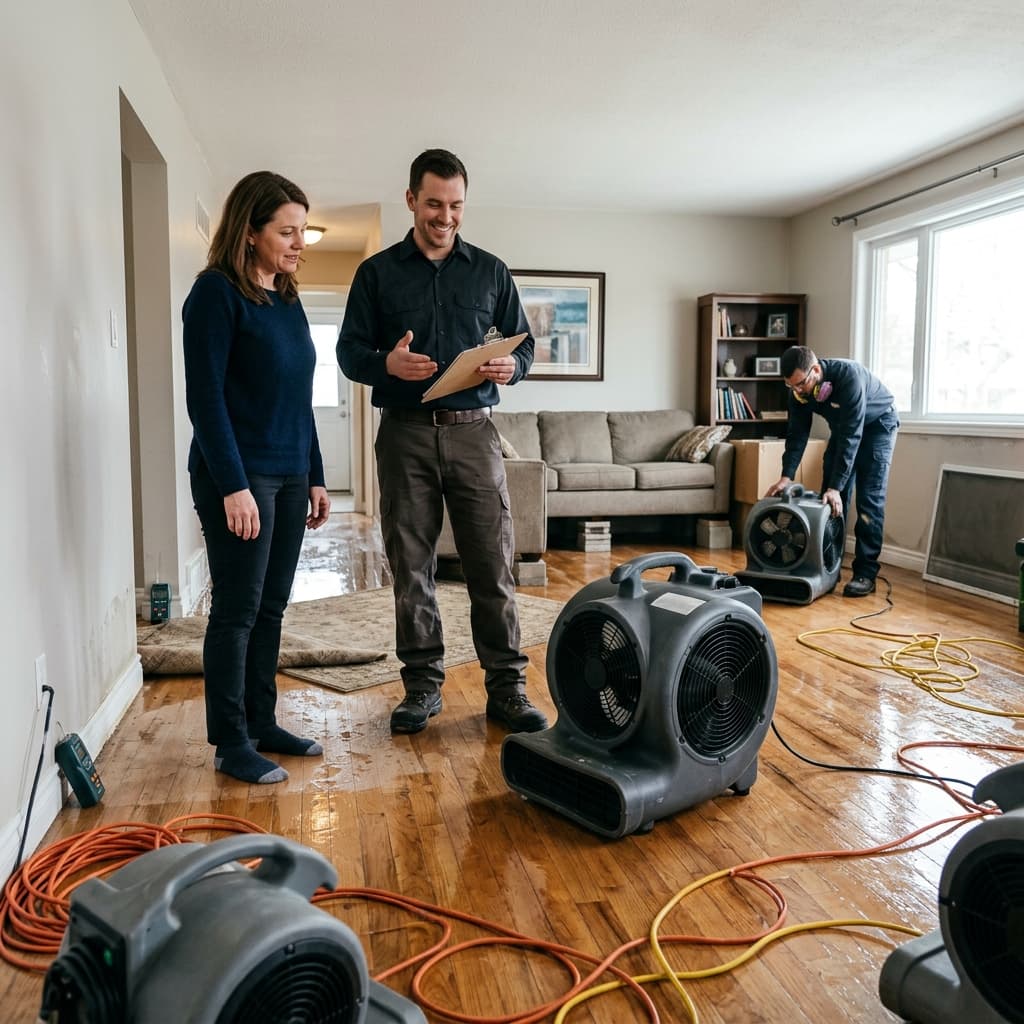
If structural wood already has water damage, a professional restoration process should start with source control, moisture mapping, photo documentation, and drying before repair decisions are made. Compromised porous materials may need removal. Structural elements such as damaged joists, sill plates, subflooring, or wall framing should be evaluated and repaired based on material condition, moisture readings, and applicable building requirements.
Related Guides
Need help with property damage?
Prime Solutions LLC reviews active water, fire, mold, and cleanup requests across Northern Virginia, DC, and Maryland.
+1 (571) 655-7207