
How to Inspect Crawl Spaces for Structural Rot & Water Damage
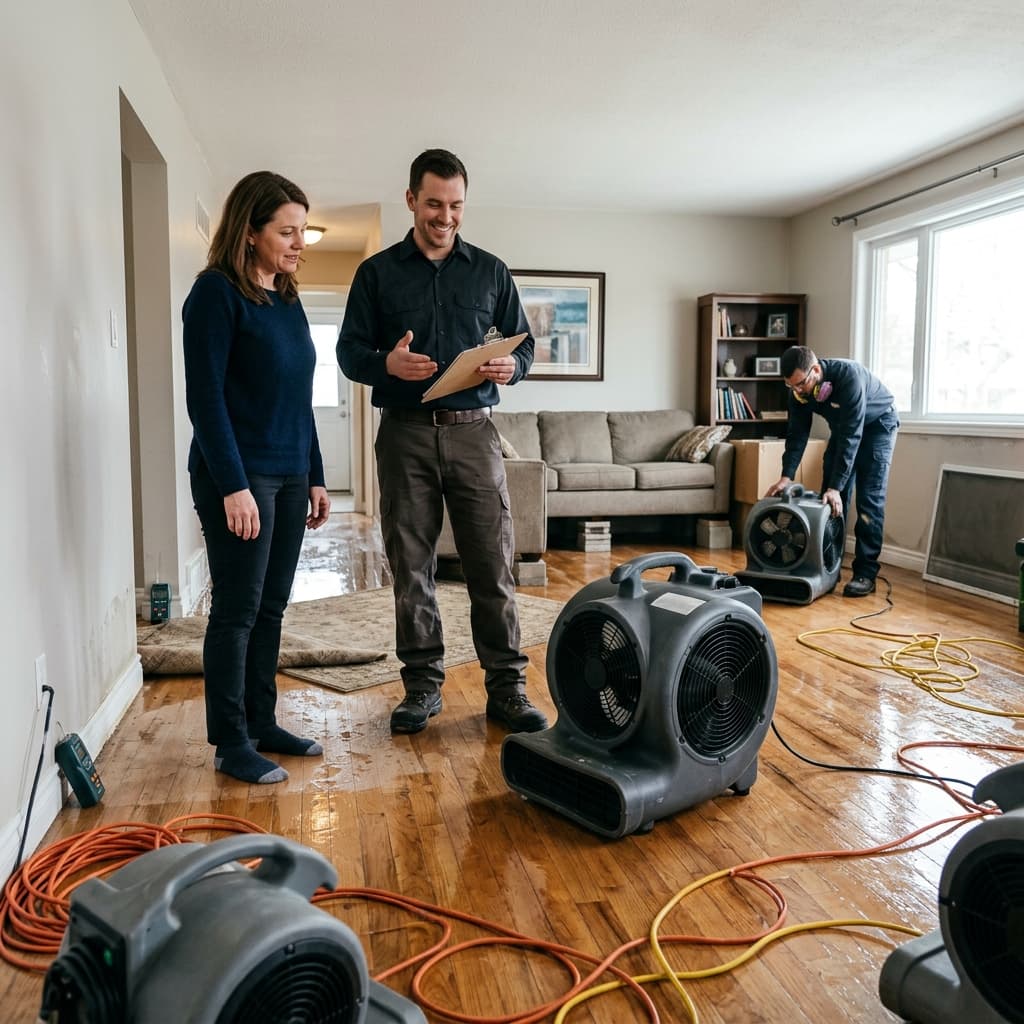
Crawl spaces hide some of the most expensive moisture problems in a home. A small plumbing drip, wet insulation, poor drainage, high humidity, or foundation seepage can affect joists, sill plates, subfloors, and indoor air quality long before the damage is visible upstairs. A simple inspection routine helps homeowners catch warning signs early and gives a restoration team better documentation if repairs are needed.
Why Structural Wood Rots: The Science of Fungal Decay
Wood rot is not caused by water alone, but by wood-decaying fungi that thrive when wood remains damp for extended periods. When wood moisture content exceeds 20%, dormant fungal spores germinate and begin digesting the cellulose and lignin that give timber its strength. There are two primary types of rot to watch out for:
- Wet Rot: Appears dark, spongy, or cracked, and typically requires active water contact (like leaking gutters or soil contact).
- Dry Rot: Caused by specialized fungi that can transport water over long distances. It makes wood look dry, shrunk, and cracked into crumbly cubical pieces. Dry rot can spread through a wood structure once established.
The Step-by-Step Crawl Space Rot and Moisture Inspection Checklist
Follow this checklist after heavy rain, before listing a home for sale, or any time you notice musty odor, floor movement, or recurring indoor humidity:
- Check humidity and air movement: Look for condensation on ducts, wet insulation, musty odor, or standing water on the crawl-space floor. High relative humidity can keep framing damp even without a visible leak.
- Inspect joists, sill plates, and subfloor edges: Use a flashlight to review the wood closest to foundation walls, plumbing runs, HVAC equipment, and crawl-space access points. Dark staining, fungal growth, softness, and sagging are warning signs.
- Perform the screwdriver pick test: Press a flathead screwdriver into suspect wood. If it penetrates easily, crumbles, or feels spongy, the area should be reviewed for rot or material deterioration before it is covered with insulation or finishes.
- Trace the moisture source: Check supply lines, drain lines, condensate drains, sump pits, downspout discharge, foundation cracks, and grading outside the wall. Repairs do not last if the water source remains active.
- Document before repairs: Take photos, note locations, and keep a simple timeline of when the odor, leak, or humidity started. A restoration file is stronger when photos, moisture readings, and source-control notes line up.
When to Call a Professional Restoration Specialist
Request a professional review if you discover:
- Active wood rot in joists, sill plates, subfloors, beams, or support posts.
- Wet insulation, visible mold growth, sewage water, or recurring crawl-space humidity.
- Floor sagging, cupping hardwood, persistent musty odor, or water leaking into structural wall cavities.
Pro Tip: Do not rely on wood filler or cosmetic covering for structural rot. Structural wood affected by long-term moisture needs source control, drying, documentation, and repair planning based on the condition of the material.