
Category 1, 2 and 3 water damage explained (IICRC S500)
Reviewed by Nicolae Zugrav, founder of Prime Solution LLC, Virginia DPOR license #2705191673.
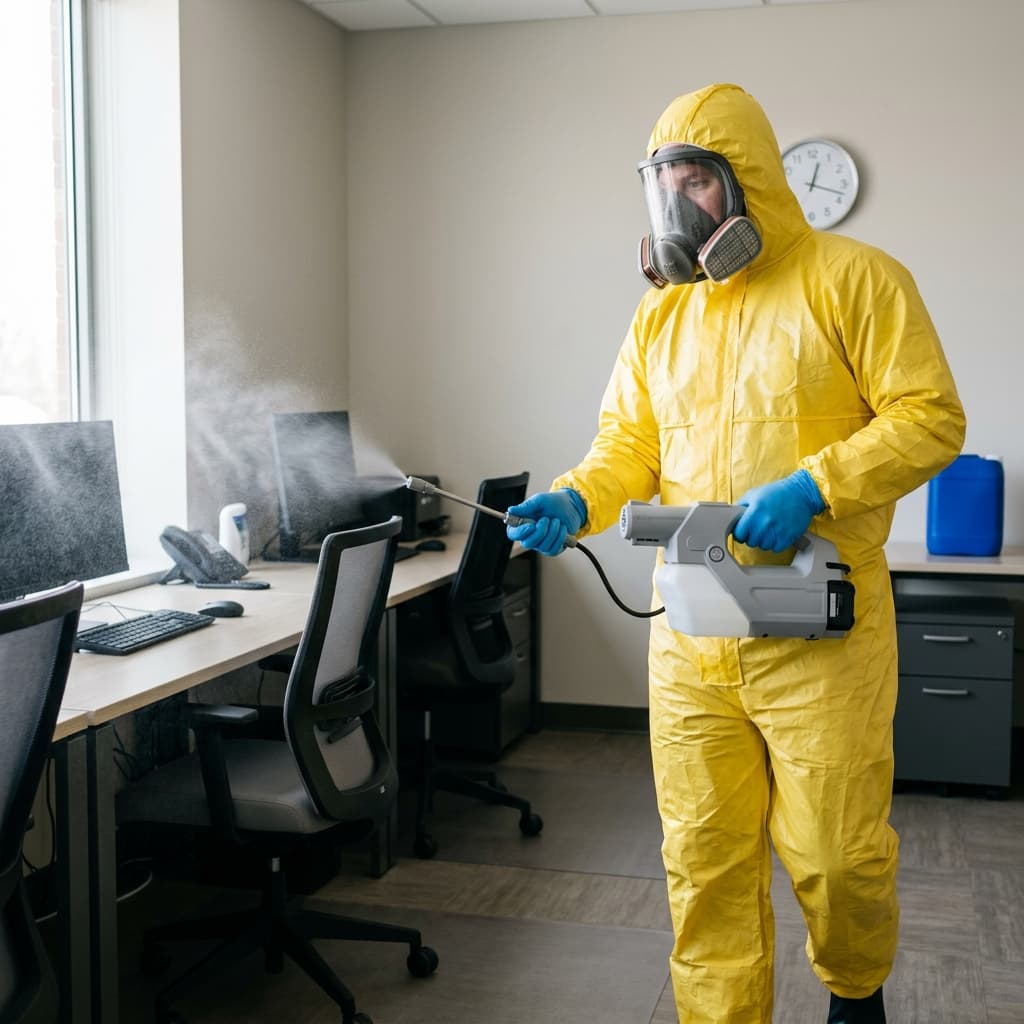
Category is about contamination, not the size of the loss
Homeowners in Ashburn, Leesburg, Sterling, and the rest of Northern Virginia often hear “Category 3” and think it means a large loss, or a fee. Under ANSI/IICRC S500, category is the contamination classification. A small sewage backup in one bathroom can be Category 3. A large supply-line break can start as Category 1. The Northern Virginia cost guide on this site already separates that idea from class, which is how much material is wet and how hard it is to dry. This page stays on category. It does not list prices. A scope is written from the property, not from a label alone.
Category 1: water that started out sanitary
Public summaries of S500, including the wording already used on this site’s cost guide, describe Category 1 as sanitary water. Examples that guide uses are a supply line, a sink or tub overflow, and an appliance that failed on the supply side. A washing-machine hose that bursts on the clean-water side is the kind of loss those examples point at. The water can still soak drywall, flooring, and cabinets. “Sanitary source” does not mean the finish materials are fine. It means the water had not picked up the contamination that Category 2 and Category 3 describe, at the moment it came out. Photograph the fitting or the appliance so the file shows the source.
Category 2: significant contamination
The same guide describes Category 2 as water with significant contamination. Examples already published there include a toilet overflow that does not contain sewage, and discharge from a dishwasher or washing machine. That water is no longer the water that was in the supply line. It can carry soils from the fixture or the appliance. Porous materials that soaked it up — carpet pad, drywall paper, insulation — are treated more carefully than a supply-line puddle on a tile floor. Do not decide the category from the room’s size. Decide it from what the water touched before it spread, and from how long it has been sitting.
Category 3: grossly contaminated water, including sewage
The IICRC’s 2026 position statement on the current S500 edition, summarized on the cost guide, says Category 3 water can contain pathogenic, toxigenic, or other harmful agents. Examples named there include sewage, wasteline backflows that originate from beyond the trap, flooding from seawater, and rising water from rivers or streams. A floor-drain backup into a finished basement in Fairfax, Prince William, or Loudoun is the situation the sewage page on this site is written for. Keep children and pets out. Do not shop-vac sewage into a household machine or down a hallway. If the smell is moving through the house, turn the HVAC off so the system does not pull that air through the ducts. The sewer-backup article on this site walks through those first steps. Cleanup of grossly contaminated water is not a mop job, and household trash rules may not cover the materials that come out.
Rain and storm water are not automatically Category 3
The same IICRC statement says weather water is not automatically Category 3. Contamination is the test, not the fact that a storm was involved. A roof leak from wind-driven rain or an ice dam can start with water that was not sewage. Water that washed across a street, a flooded yard, or a storm drain is a different story, because of what it picked up before it entered. The ice-dam guide on this site is about water from the roof. The storm-damage page is about interior water after weather. Neither page asks you to label every storm Category 3. Say what you saw: roof, foundation, drain, or supply line. The photos should match that description.
Time and temperature can move the category
Category is not frozen at the minute the water appeared. The cost guide says Category 2 can become Category 3 as time and temperature allow contaminants to increase. The water-damage service page notes that clean water left in place can become more contaminated over roughly two to three days under industry classification guidance, and that mold growth can begin within 24 to 48 hours when materials stay wet. Those are reasons to start extraction and drying when it is safe, not reasons to invent a surcharge table. Waiting for an adjuster to visit before any water is removed lets the category and the damaged materials both get worse. Tell the carrier you are reporting the loss, and start mitigation when the rooms are safe to enter.
What Prime Solution LLC will and will not say from a category label
A category tells the crew how cautious the cleanup has to be. It does not by itself name the rooms, the materials, or the dollars. Prime Solution LLC, at 42785 Generation Dr, Ste 516, Ashburn, VA 20147, can extract water, dry the structure, record moisture, and separate a sanitary source from sewage in the notes. The certifications page is explicit that ANSI/IICRC S500 is the reference standard for that work, and that a personal or company certification is a different thing, published only when current proof is on file. This article does not add a certification. The contractor license published on that page is Virginia DPOR #2705191673. Call (703) 832-2773 and describe the source you can see — supply line, appliance, toilet, floor drain, roof, or street water — so the first conversation starts from the right category. The carrier still decides coverage.
Frequently asked questions
What is a water damage category?
Under ANSI/IICRC S500, category describes contamination. Category 1 comes from a sanitary source. Category 2 has significant contamination. Category 3 is grossly contaminated and can include sewage. It is not the size of the room and it is not a price.
Is rainwater automatically Category 3?
No. The IICRC’s 2026 position statement, already summarized on this site’s cost guide, says weather water is not automatically Category 3. Contamination is the test, not the fact that rain was involved.
Is a sewage backup Category 3?
Sewage and a wasteline backup from beyond the trap are the examples this site treats as grossly contaminated. Keep people and pets out, do not run the HVAC if odor is spreading, and do not use a household vacuum on the water. The sewage cleanup page is the next step.
Can Category 1 water become more contaminated if it sits?
Yes. The cost guide on this site says Category 2 can become Category 3 as time and temperature allow contaminants to increase, and the water-damage pages note that clean water left in place can become more contaminated over roughly two to three days under industry classification guidance.
Is category the same thing as class?
No. Category is contamination. Class is the evaporation load: how much porous material is wet when drying starts. The Northern Virginia cost guide explains both. This page is only the category side.
Does explaining S500 mean Prime Solution LLC is IICRC certified?
No. The certifications page says a standard is the reference for how work is described, and a certification is a credential that is only published when current proof is on file. This article does not add a credential. The published contractor license is Virginia DPOR #2705191673.
Sources
Related pages
Related guides
Need help with property damage?
Prime Solution LLC reviews active water, fire, mold, and cleanup requests across Northern Virginia, DC, and Maryland.
+1 (703) 832-2773